Tvs With Soundbars Explained: A UK Buyer's Guide
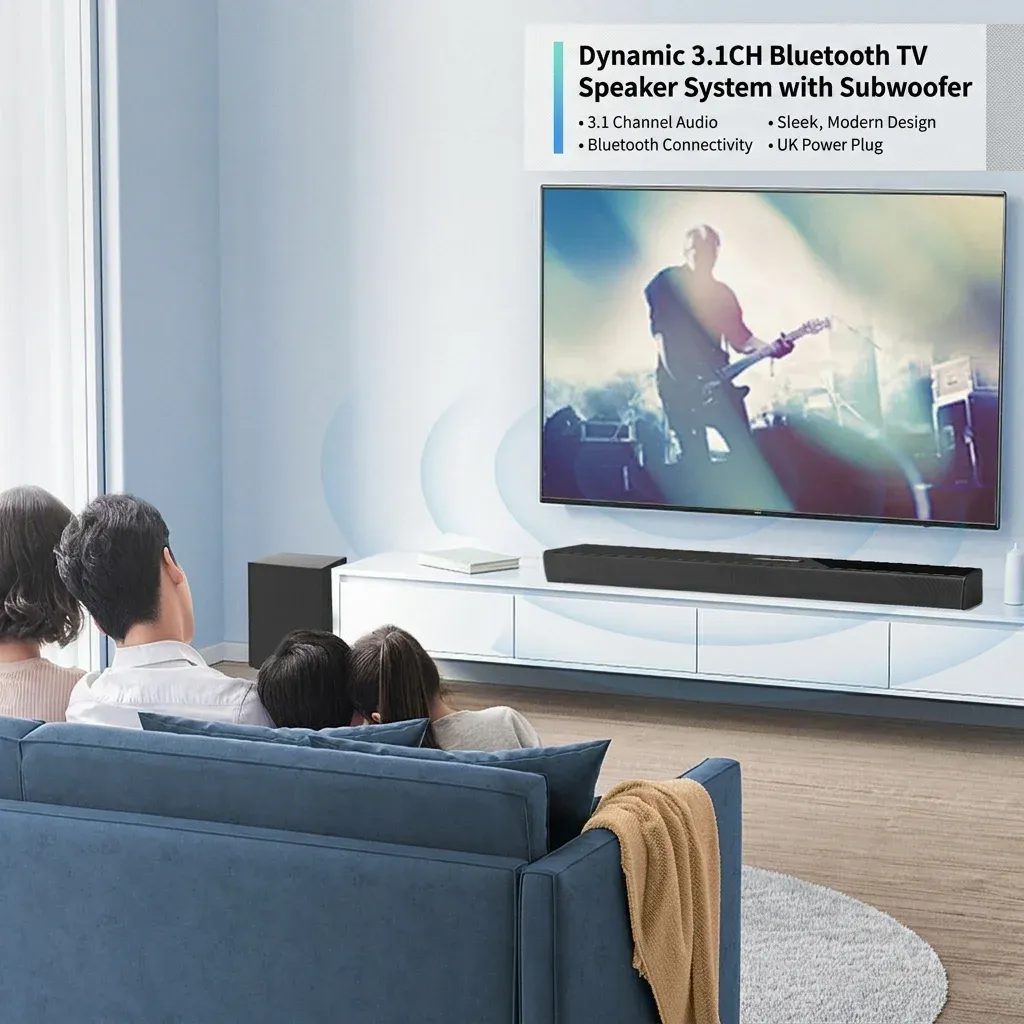
The visual leap from standard definition to 4K Ultra HD has been nothing short of staggering. However, as UK television sets have become thinner and more aesthetically pleasing, a physical compromise has occurred. The space required for high-quality, front-facing speakers has vanished, often replaced by tiny, downward-firing drivers that struggle to project clear dialogue or deep bass. This is why pairing TVs with soundbars has transitioned from a luxury to a necessity for the modern British household.
Key Takeaways
- Physics of Sound: Modern slim TVs lack the cabinet volume for powerful speakers, making external soundbars essential for cinematic depth.
- Connectivity Matters: Use HDMI eARC for the best audio bandwidth and the ability to control your soundbar with your TV remote.
- 2.1 Systems: A 2.1 channel system (two speakers and a subwoofer) provides the ideal balance of clarity and punch for UK living rooms.
- Space Efficiency: Soundbars offer a clutter-free alternative to traditional 5.1 surround sound systems without sacrificing immersion.
Whether you are catching up on the latest BBC drama or watching the Premier League on a Saturday afternoon, the audio experience defines the immersion. In this guide, we explore everything you need to know about integrating TVs with soundbars to achieve the ultimate home cinema setup.
Why Modern TVs Need Soundbars
The pursuit of the "infinity screen" and paper-thin profiles has forced manufacturers to relocate speakers to the rear or the bottom of the TV chassis. According to consumer research from Which?, poor sound quality remains one of the most frequent complaints among new TV owners. The physics are simple: sound requires the movement of air, and thin TV panels do not have the depth required for large drivers to move that air effectively.
When you pair TVs with soundbars, you bypass the internal limitations of the television. A dedicated soundbar provides a larger resonant chamber and high-quality drivers aimed directly at the listener. This results in "crystal-clear dialogue," a feature often lost when TV speakers bounce sound off the wall behind the unit before it reaches your ears.
For those looking to understand the fundamental components of these systems, our Ultimate Guide to Soundbar And Subwoofer For Tv in the UK provides a comprehensive breakdown of how these two devices work in tandem to fill a room.
Understanding Connectivity: HDMI ARC vs Optical
When connecting TVs with soundbars, the method of connection dictates the quality of the experience. In the UK, most modern sets from brands like Hisense, Samsung, and Sony come equipped with HDMI ARC (Audio Return Channel) or the newer eARC (Enhanced Audio Return Channel).
The Benefits of HDMI eARC
HDMI eARC is the gold standard. It allows for higher bandwidth, meaning it can carry uncompressed audio formats like Dolby Atmos. Perhaps more importantly for daily use, it supports CEC (Consumer Electronics Control). This means your TV remote will automatically control the volume of the soundbar, and both devices will power on and off together. This eliminates the "remote clutter" that often plagues British coffee tables.
Optical and Bluetooth Alternatives
While HDMI is preferred, older TVs may require an Optical (Toslink) connection. This provides a stable digital signal but lacks the smart control features of HDMI. Bluetooth is another option, particularly for those looking to keep their setup entirely wire-free. If you are considering a wireless approach, you might find our Bt Sound Bar Explained: A UK Buyer's Guide particularly useful for understanding latency and sync issues.
The 2.1 Channel System: The Sweet Spot for UK Homes
UK living rooms are, on average, smaller than those in the US or Australia. A report by the RIBA (Royal Institute of British Architects) suggests that the average UK living room is approximately 17 to 20 square metres. In these spaces, a massive 7.1.4 surround sound system can often feel overwhelming and cluttered.
This is where the 2.1 channel system shines. It consists of two channels (left and right) within the soundbar itself and a dedicated subwoofer for low-end frequencies. This setup provides the "cinematic depth" mentioned in our hero message without requiring cables to be run across the carpet to rear speakers. For a detailed comparison of whether you need a standalone unit or a full kit, see our guide on Soundbar Or Subwoofer Explained.
Technical Specifications to Look For
When browsing for TVs with soundbars, the technical jargon can be daunting. Here are the specific metrics that actually impact your viewing experience:
1. Wattage and Power Output
While high wattage doesn't always equal "better" sound, it does indicate the soundbar's ability to maintain clarity at higher volumes. For a standard UK lounge, a total output of 200W to 300W is more than sufficient to provide a room-filling experience without distortion.
2. Dialogue Enhancement Modes
One of the primary reasons for upgrading is to hear what actors are saying over the background music and sound effects. Look for soundbars with dedicated "News" or "Speech" modes. These use Digital Signal Processing (DSP) to boost the frequencies associated with the human voice.
3. Subwoofer Integration
A soundbar alone can only do so much. To experience the rumble of an explosion or the deep notes of a film score, a subwoofer is essential. Many modern systems, such as the Hisense 2.1 channel range, feature wireless subwoofers. This allows you to tuck the subwoofer next to a sofa or behind a chair, provided there is a UK mains socket nearby, keeping the aesthetic clean.
Placement and Room Acoustics in the UK
The layout of your room significantly affects how TVs with soundbars perform. Many British homes feature alcoves or chimney breasts, which can create "boomy" bass if a subwoofer is placed in a corner.
- Wall Mounting: If your TV is wall-mounted, ensure the soundbar is mounted directly below it at ear level. Most Hisense soundbars include a wall-mounting kit to make this process straightforward.
- The TV Stand: If the TV sits on a stand, check the height of the soundbar. You want to ent doesn't block the TV's IR receiver (the sensor for your remote) or the bottom of the screen.
- Surface Reflections: Avoid placing the soundbar deep inside a TV cabinet shelf, as the sides of the cabinet will cause sound reflections that muddy the audio.
For more advanced setup tips, refer back to The Ultimate Guide to Soundbar And Subwoofer For Tv in the UK, which covers acoustic positioning in greater detail.
Smart Integration and Future-Proofing
As we move towards smarter homes, the way TVs with soundbars interact with other devices is evolving. Look for systems that offer:
"The goal is a seamless transition between devices. Your soundbar shouldn't just be for the TV; it should be the hub for all your home audio."
Many soundbars now feature Bluetooth 5.0, allowing you to stream music from your smartphone with minimal loss in quality. This transforms your TV setup into a high-fidelity music system for the whole house. Furthermore, ensure the device meets UKCA (UK Conformity Assessed) standards for electrical safety, a requirement for all electronics sold in Great Britain post-Brexit.
Final Thoughts for UK Buyers
Investing in a soundbar is the single most impactful upgrade you can make to your home entertainment system. By moving the audio processing away from the TV's internal speakers and into a dedicated 2.1 channel system, you reclaim the cinematic experience that modern directors intend for their audiences. From the roar of the crowd at Wembley to the quietest whisper in a period drama, the right soundbar ensures you never miss a moment.
Upgrade Your Home Audio Today
Ready to experience cinematic depth and crystal-clear dialogue? Discover the Hisense range of soundbars, designed to complement your UK home perfectly.
Frequently Asked Questions
Will any soundbar work with my TV?
Generally, yes. If your TV has an HDMI ARC, Optical, or 3.5mm headphone jack, it will be compatible with almost all soundbars. However, for the best features like synced power and volume control, an HDMI ARC/eARC connection is highly recommended.
Do I need a separate remote for the soundbar?
If you connect via HDMI ARC/eARC, you can use your existing TV remote to control the volume. Most soundbars also come with their own remote for fine-tuning settings like bass levels or sound modes.
Is a 2.1 system better than a 5.1 system?
Not necessarily "better" in terms of raw surround sound, but 2.1 systems are often more practical for UK homes. They offer a significant upgrade over TV speakers without the need for multiple satellite speakers and complex wiring throughout the room.
Can I use a soundbar for listening to music?
Absolutely. Most modern soundbars feature Bluetooth connectivity, allowing you to pair your phone or tablet and use the soundbar as a high-quality speaker for Spotify, Apple Music, or radio apps.
Ready to transform your TV with Hisense Audio?
Upgrade Your Audio — £19.99