do i need hdmi earc for a 2.1 soundbar uk
For most UK 2.1 and everyday streaming setups, HDMI ARC is enough; eARC mainly matters if you want higher-bitrate formats that ARC may not pass. An ARC-only soundbar can still play audio from an eARC TV, but it may not carry the highest-bitrate formats such as Atmos or DTS:X.
Direct answer: ARC is enough for many 2.1/streaming setups; eARC matters mainly for higher-bitrate formats
If your living-room use is mainly TV apps, catch-up, and ordinary film or series streaming through a 2.1 bar, ARC is usually the practical choice. HDMI ARC and eARC both send TV audio to a soundbar over one HDMI cable; eARC simply offers higher bandwidth than ARC, which is why the highest-bitrate object-based formats are where the difference shows.
Optical remains a workable alternative when HDMI audio return is unavailable, but it lacks the remote and CEC convenience that ARC setups often provide, and it may not support some formats that HDMI return channels can carry.
UK living-room decision table: ARC vs eARC vs optical
| Connection | Best fit in a typical UK lounge | What to expect |
|---|---|---|
| HDMI ARC | Most 2.1 bars and day-to-day streaming | One-cable TV-to-soundbar audio, often with TV-remote volume via CEC |
| HDMI eARC | When you specifically want higher-bitrate formats | Higher bandwidth than ARC; ARC-only bars can still receive audio from eARC TVs, but may not pass Atmos/DTS:X-level bitrates |
| Optical | Older TVs or missing ARC labelling | Useful fallback; fewer remote/CEC conveniences and some format limits versus ARC/eARC |
Port labelling is not identical on every UK TV brand, so check the rear panel or manual for ARC or eARC wording rather than assuming a standard name.
What you gain/lose without eARC (formats, one-remote CEC)
Without eARC you are not locked out of TV sound through HDMI. You mainly forgo the extra bandwidth that eARC provides for the highest-bitrate formats. ARC still supports a simple one-cable path from TV to soundbar and, on many sets, the convenience of controlling volume from the TV remote via CEC.
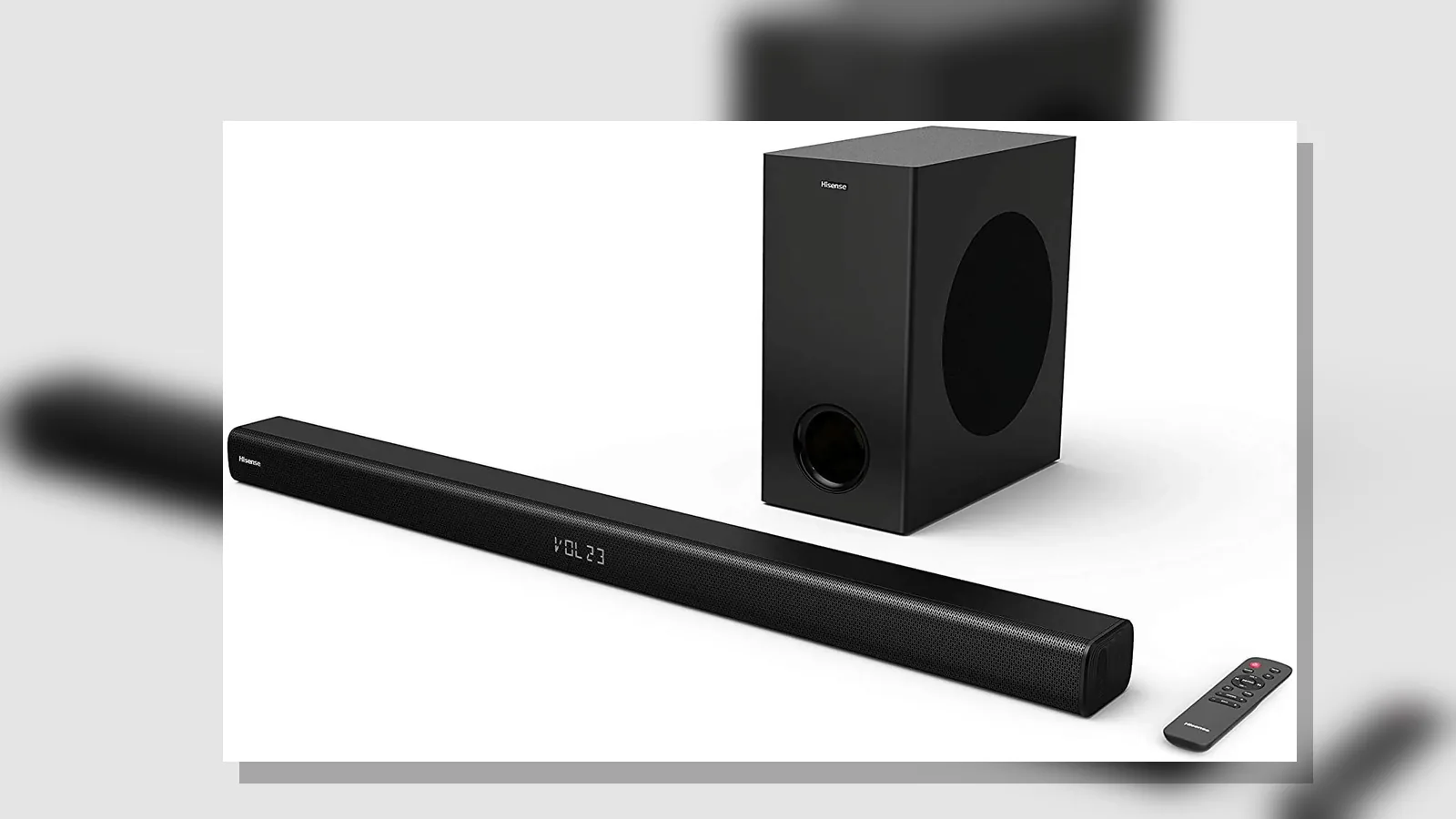
Choosing optical instead of ARC or eARC can still deliver TV audio, but you typically lose that ARC-style remote and CEC convenience, and you may miss formats that HDMI return channels can carry. For a listed 2.1 bar whose live product page states HDMI ARC, Optical, Bluetooth 5.0, USB and AUX connectivity, plus Dolby Digital and DTS Virtual:X labelling, ARC and optical cover the main wired TV routes shown on that page—without any claim that the bar itself supports eARC, Atmos, or lossless formats.
Who should not prioritise eARC yet
- Viewers who mainly use built-in TV apps and do not chase the highest-bitrate surround formats
- Households happy with a 2.1 layout rather than a cinema-style object-based setup
- Anyone whose TV only offers ARC or optical and who simply wants clearer dialogue and fuller TV audio
- Buyers who would rather confirm ports and cable paths first than upgrade for eARC alone
Prioritise eARC only when both the TV and the soundbar path you need clearly support the higher-bitrate formats you care about. An ARC-only bar can still work with an eARC TV for everyday audio; the limitation is passing those highest-bitrate formats, not basic TV sound.
Soft next step to check ports on your TV and the bar
Before you buy or re-cable, look for ARC or eARC on the TV’s HDMI socket list, then match that to the soundbar’s labelled inputs. If ARC is present on both sides, one HDMI cable is usually enough for TV apps. If ARC is missing, optical is the common fallback. For the connection options and feature labels stated on the current product page, review the current product details and confirm what your TV actually offers.
FAQ
Is eARC required for a 2.1 soundbar in the UK?
No. For many 2.1 and streaming setups, ARC is enough. eARC matters mainly when you need higher-bitrate formats that ARC may not pass.
Can an ARC soundbar work with an eARC TV?
Yes. ARC-only soundbars can still play audio from eARC TVs, but they may not pass the highest-bitrate formats such as Atmos or DTS:X.
Is optical still useful?
Yes. Optical remains an alternative when HDMI ARC or eARC is unavailable, though it lacks ARC’s remote and CEC convenience and may not support some formats.
What connections does the listed 2.1 bar show?
The live product page states HDMI ARC, Optical, Bluetooth 5.0, USB and AUX, with Dolby Digital and DTS Virtual:X labelling. It does not state eARC support on that page.